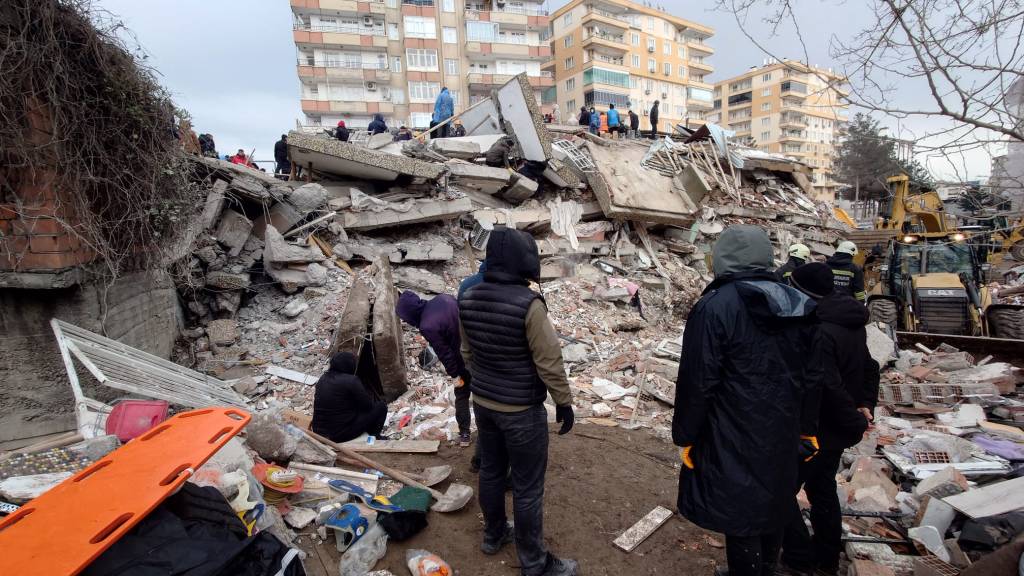
Turkey and Syria witnessed one of the deadliest earthquake in this century. As per the latest sources, the death toll reached 16000 and tens of thousands of others reported as severely injured due to the “calamitous” earthquake.
Where did the earthquake happened?
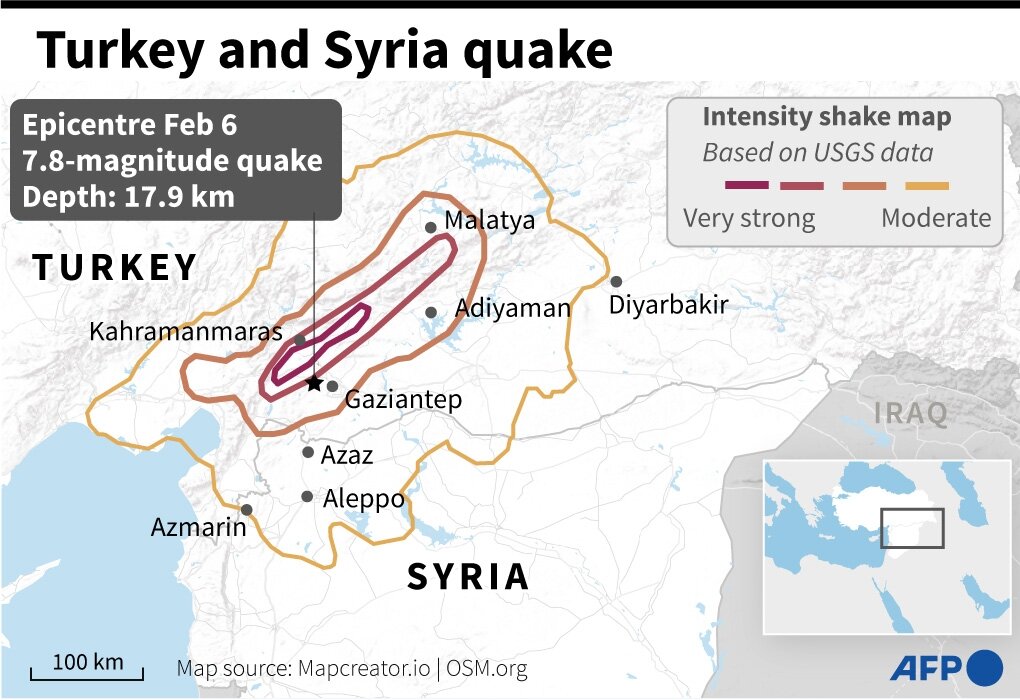
Turkey which is located on a small plate known as the Anatolian Plate and surrounded by other two plates namely African and Arabian plates is one of the world’s most active earthquake zones. It lies on the hot bed of seismic activity. The epicentre of Monday’s earthquake was at a relatively shallow depth of about 17.9 kilometres (11 miles) near the Turkish city of Gaziantep, which is home to around two million people.
According to the USGS, a series of aftershocks resonated through the region in the immediate hours after the initial incident. A magnitude 6.7 aftershock followed 11 minutes after the first quake hit, but the largest shake, which measured 7.5 in magnitude, struck about nine hours later at 1:24 p.m.
Why do earthquakes occur?
Earthquakes happen due to the movement of tectonic plates. When two tectonic plates grind against each other, a lot of pressure is built up. When this pressure is released, it causes the ground to shake, creating an earthquake. Earthquakes can also occur when a volcanic eruption or a man-made structure such as a dam or a high-rise building causes the ground to shake.
How earth quakes are measured?
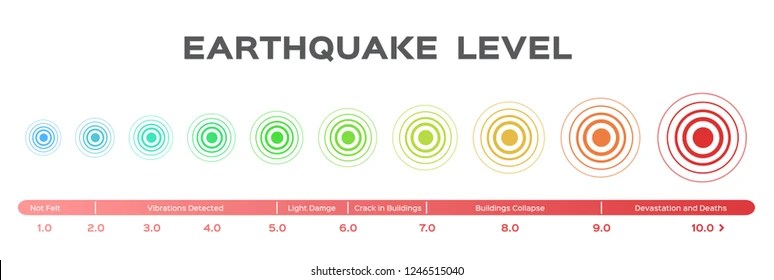
Earthquakes are measured using a magnitude scale, such as the Richter scale, or the Moment Magnitude Scale. These scales provide a numerical value that indicates the size of an earthquake based on the amount of energy released during the event. The Richter scale measures the magnitude of an earthquake on a logarithmic scale from 1 to 9, with 9 being the largest. The Moment Magnitude Scale is similar, but it is based on the physical properties of the fault that caused the earthquake and is considered more accurate for larger earthquakes.
 Worldtoday.com